AMH Levels and Ovarian Reserve After 35: A Practical Guide

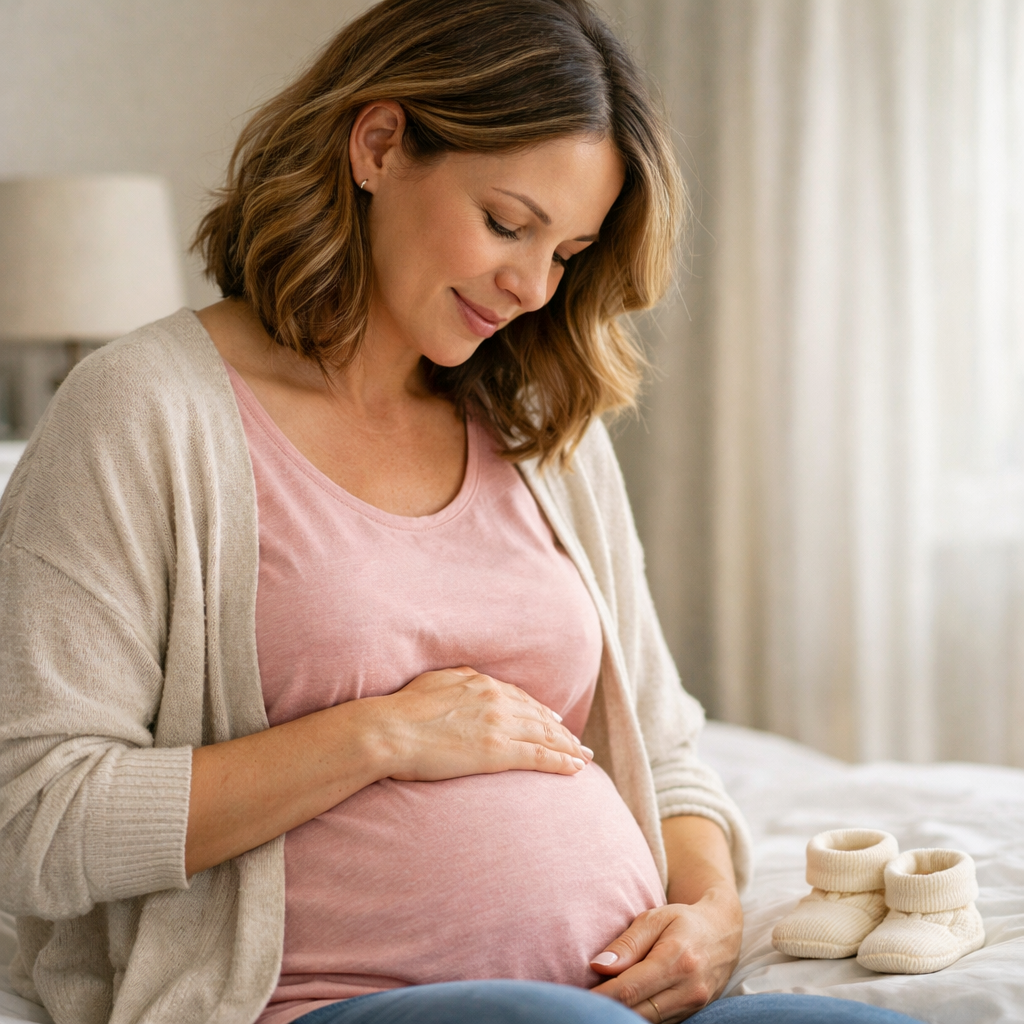
If you’ve been exploring fertility options after 35, you’ve likely come across the term AMH — anti-Müllerian hormone. It’s one of the most commonly discussed markers in fertility assessments, and understanding what it does and doesn’t tell you can help you approach test results with more clarity and less anxiety. AMH is one piece of … Ler mais

First Trimester Fatigue After 35: What to Expect

Fatigue during the first trimester of pregnancy is one of the most universally reported experiences — and for many women over 35, it can feel more intense than they anticipated. If you’re currently navigating early pregnancy and wondering whether what you’re feeling is typical, or how this experience might differ from what younger women describe, … Ler mais

Sleep and Perimenopause: Understanding Nighttime Changes After 35

For many women in their late thirties and forties, sleep begins to feel different — less restorative, more interrupted, or punctuated by night sweats that weren’t there before. These changes can be disorienting, especially when they appear gradually and without an obvious explanation. Understanding the connection between perimenopause and sleep can help provide meaningful context. … Ler mais

Progesterone Levels After 35: What the Research Shows

Progesterone is one of the key hormones involved in the menstrual cycle and pregnancy, and its behavior can shift meaningfully as women move through their mid-thirties and beyond. For women who are trying to conceive or simply wanting to understand their hormonal health better, learning about what current research says about progesterone after 35 can … Ler mais

Diet and Fertility After 35: What Current Research Suggests

Among the many questions women ask when trying to conceive after 35, “What should I eat to support my fertility?” is one of the most common — and one of the most difficult to answer with certainty. Nutrition research is inherently complex: studies are often observational, dietary patterns are hard to isolate from other lifestyle … Ler mais

Emotional Aspects of Pregnancy After 40: Navigating Anxiety and Joy

Pregnancy after 40 is a medically complex and emotionally rich experience that has become increasingly common as more women delay childbearing for personal, professional, or circumstantial reasons. The emotional landscape of pregnancy at this life stage is distinct in ways that deserve careful attention — not because older mothers are more fragile, but because the … Ler mais

Early Signs of Perimenopause After 35: What Research Shows

Last updated: June 2026. The word “perimenopause” is often associated with the late 40s, but research consistently shows that the hormonal transition it describes can begin a decade earlier — sometimes in a woman’s mid-to-late 30s. This is not widely known, and many women who begin noticing changes in their bodies and cycles in their … Ler mais

Progesterone and Sleep After 35: How Hormonal Shifts Affect Rest

Progesterone is often discussed in the context of fertility and pregnancy, but its influence on sleep is an aspect of this hormone’s biology that many women find illuminating when they begin to understand it. If you’ve noticed changes in your sleep quality in your mid-to-late 30s — and particularly if those changes seem tied to … Ler mais

Managing the Two-Week Wait: Coping With Uncertainty While TTC After 35

For women actively trying to conceive, the two-week wait — the interval between ovulation and when a pregnancy test becomes meaningful — is one of the most psychologically intense parts of the process. The combination of hope, uncertainty, physical symptom-spotting, and calendar-watching can make the days feel far longer than their actual number. For women … Ler mais

Prenatal Nutrition After 35: Key Nutrients Research Supports

Nutrition during pregnancy has long been recognized as a significant factor in maternal and fetal health, but what does the research actually say about specific nutrient needs for women who conceive after 35? The landscape of prenatal nutrition advice can feel overwhelming — conflicting headlines, a crowded supplement market, and a constant stream of new … Ler mais