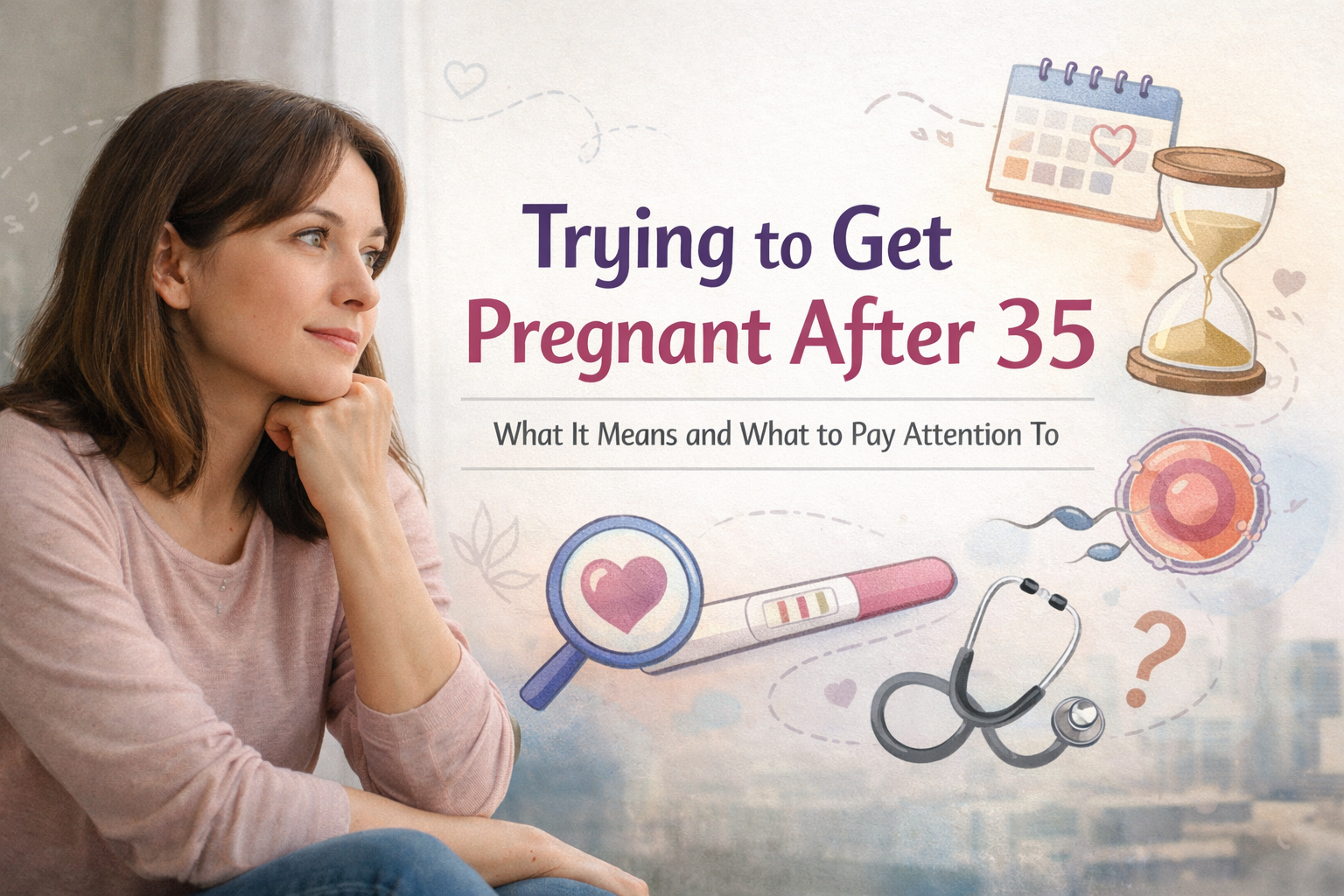
Trying to Conceive After 35 With Irregular Cycles: What Research Indicates
Evidence-based insights on trying to conceive with irregular cycles after 35. Learn about cycle tracking, ovulation prediction, and when to seek a fertility evaluation.
Evidence-based guide to AMH testing for women 35+. Understand what anti-Müllerian hormone can and cannot tell you about your fertility and ovarian reserve.
Evidence-based information about luteal phase changes for women 35+. Learn how progesterone, cycle length, and spotting patterns may shift — and what they mean for fertility.
Evidence-based guidance on ovarian reserve testing for women 35+. Understand what AMH, AFC, and other markers can — and cannot — tell you about your fertility.
Trying to conceive after 35 is, for many women, an emotionally complex experience. The intersection of age-related fertility concerns, the uncertainty of the conception timeline, the weight of medical information, and the social context around “biological clocks” can create a background of anxiety that is both understandable and, at its more intense levels, genuinely difficult … Ler mais
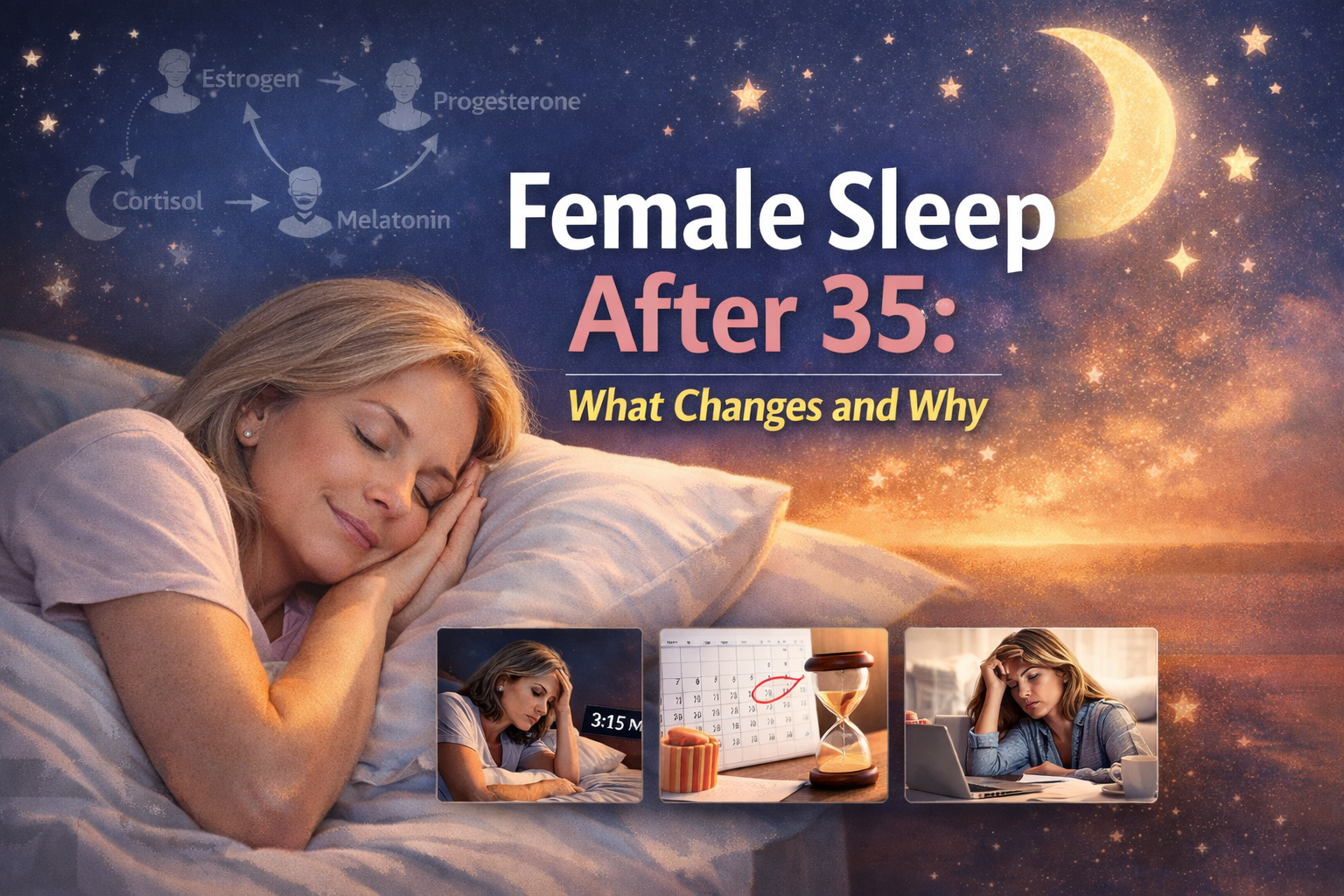
Physical activity and sleep quality are closely linked, and the relationship between them becomes particularly relevant for women after 35, when sleep changes are increasingly common and maintaining overall health takes on additional importance. Understanding what the research shows about exercise and sleep—including timing, type, and intensity—can help inform a more intentional approach to both. … Ler mais
Placenta previa is a pregnancy condition in which the placenta partially or completely covers the cervical opening (cervical os). For women pregnant after 35, understanding placenta previa—its risk factors, how it is identified, and how it is managed—can help reduce anxiety and support clearer conversations with an obstetric team. While the condition requires careful monitoring … Ler mais
Ovarian reserve—broadly understood as the remaining quantity and quality of a woman’s eggs—is one of the most discussed topics in fertility after 35. The term appears frequently in fertility consultations, online forums, and media coverage of reproductive health, often in ways that generate more anxiety than clarity. Understanding what ovarian reserve actually measures, how it … Ler mais
Endometriosis affects an estimated 10% of women of reproductive age, and for those who are trying to conceive after 35, understanding how the condition may interact with fertility—and what options exist—is an important part of navigating the path forward. While endometriosis is associated with reduced fertility in some cases, many women with the condition do … Ler mais
Editorial note: This article has been consolidated into an updated guide. Read the current version here. Many people use alcohol to wind down in the evenings, and a common perception is that a glass of wine helps with sleep. The research on alcohol and sleep tells a more nuanced story—one that becomes particularly relevant for … Ler mais