
Introduction
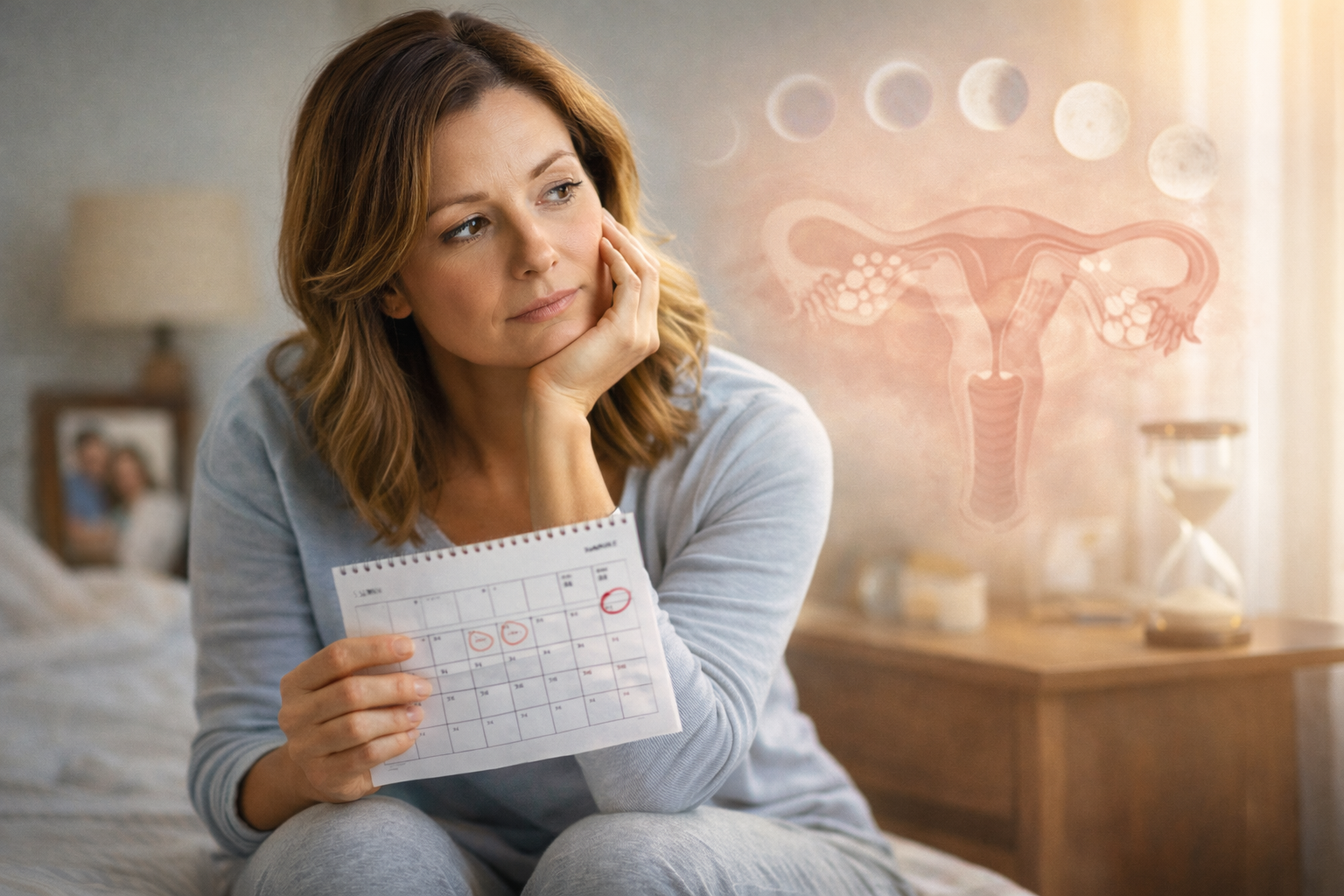
After the age of 35, many women begin to observe their menstrual cycle more closely. Changes that once felt subtle or unimportant may start to stand out — especially for those who are trying to conceive or who simply want to understand their bodies better.
This increased attention often comes with questions and, at times, concern. A cycle that used to feel predictable may seem slightly different from month to month. Sensations, timing, or emotional responses may shift in ways that are not always easy to interpret.
In most cases, these changes are part of the body’s natural process over time. Learning how to recognize and contextualize them helps reduce anxiety and allows women to relate to their cycles with more clarity and less alarm.
What Changes in the Menstrual Cycle After 35
The menstrual cycle depends on a continuous and delicate interaction between hormones, the ovaries, and the uterus. As the body matures, this interaction may become more variable in some women.
After 35, it is common for cycles to show subtle differences compared to earlier years. Some cycles may become slightly shorter, others less predictable, and some may show changes in ovulation timing or in the premenstrual phase.
These shifts are usually gradual. They do not follow a single pattern and do not happen the same way for everyone. While some women notice changes quickly, others maintain a very regular cycle well into their forties.
What matters most is not comparing cycles to an “ideal,” but understanding what is typical for your own body over time.
Cycle Length and Predictability
One of the most commonly noticed changes after 35 relates to cycle length.
Some women experience slightly shorter cycles, while others notice that the number of days between periods varies more than it used to. A cycle that once felt easy to predict may begin to shift by a few days from month to month.
This increased variability does not automatically indicate a problem. It often reflects natural hormonal fluctuations that become more noticeable with age.
Tracking cycles over several months can help distinguish between occasional variation and more consistent changes.
Ovulation Timing and the Fertile Window
Ovulation may also feel different after 35.
In earlier years, ovulation often occurs around the same point in each cycle. Over time, that timing may move forward or backward, making the fertile window harder to identify in some months.
Some women notice that physical signs they once relied on — such as changes in cervical mucus or mild ovulation discomfort — feel less clear or less consistent.
This does not mean ovulation has stopped. It simply means that timing may be less predictable from one cycle to the next, which can influence how women experience their cycles, especially when trying to conceive.
Changes in Flow and Duration
Flow and duration may also shift subtly after 35.
Some women notice lighter or heavier bleeding, while others experience periods that last slightly longer or shorter than before. These changes usually develop gradually and can vary from cycle to cycle.
Occasional differences in flow are common and often reflect hormonal variation rather than a specific issue. What tends to matter more is whether changes are sudden, persistent, or disruptive to daily life.
Premenstrual Symptoms and Emotional Sensitivity
Another commonly reported change involves the premenstrual phase.
After 35, some women feel that premenstrual symptoms become more noticeable. Emotional sensitivity, fatigue, irritability, or changes in focus may feel more intense or last longer than in earlier years.
This may be influenced by hormonal shifts, but also by life context. At this stage, many women juggle multiple responsibilities, and the body may express stress or fatigue more clearly during certain phases of the cycle.
Recognizing these patterns can help women respond with more self-awareness and less self-judgment.
The Emotional Experience of Cycle Changes
Beyond physical symptoms, the emotional experience of noticing cycle changes deserves attention.
For many women, increased awareness of the menstrual cycle comes with questions about fertility, aging, or long-term plans. Comparing current cycles with those from earlier life stages can sometimes create frustration or worry.
These emotional responses are common and understandable. They are not a sign that something is wrong, but rather a reflection of heightened awareness combined with meaningful life transitions.
Understanding that emotional shifts are part of the experience can help reduce unnecessary concern.
Factors That May Influence the Menstrual Cycle After 35
In addition to age, several factors can influence how the menstrual cycle behaves:
Biological age
The ovaries’ response to hormonal signals may become more variable over time, influencing ovulation timing and cycle regularity.
Stress and mental load
Busy routines, professional pressure, and ongoing responsibilities can affect how the body regulates itself.
Sleep quality
Sleeping less or experiencing frequent sleep disruption may impact hormonal balance and symptom perception.
Lifestyle and routine
Daily habits, physical activity, nutrition, and routine stability all influence how the body functions overall.
These factors often interact, rather than acting independently.
What Generally Helps at This Stage
Without prescriptions or fixed solutions, some general approaches often help women relate better to their cycles after 35:
- Tracking the cycle over several months instead of focusing on a single cycle
- Observing patterns rather than isolated changes
- Respecting periods of greater fatigue or emotional sensitivity
- Maintaining routines that feel supportive and predictable
- Seeking clear, reliable, and non-alarmist information
These practices do not replace professional guidance, but they support body awareness and emotional balance.
When to Seek Professional Guidance
It may be worth seeking professional guidance when:
- Cycle changes happen abruptly or become frequent
- Bleeding occurs outside the usual menstrual period
- Symptoms begin to interfere with daily activities
- Persistent doubts or insecurity arise
A professional conversation can help place these changes in context and clarify individual circumstances.
FAQ
Does the menstrual cycle change for all women after 35?
No. Some women notice clear changes, while others maintain regular cycles for many years.
Are shorter cycles common after 35?
In some women, yes — usually as a gradual change.
Do these changes affect ovulation?
They may in some cases, but experiences vary widely from person to person.
Do cycle changes indicate infertility?
No. Isolated changes do not define fertility.
Is it useful to track the cycle more closely after 35?
Yes, especially for those who want to conceive or better understand their body.
Final Summary
- The menstrual cycle may change after 35
- Not every change indicates a problem
- Ovulation timing and PMS may become more variable
- Stress, sleep, and routine play an important role
- Information helps navigate this phase with more confidence
Medical Disclaimer
This content is for informational purposes only and does not replace guidance from healthcare professionals. Each person may respond differently, and a qualified professional can help evaluate individual situations.
Related Reading: Ovulation After 35 | Body Changes After 35
Sources: Mayo Clinic – Female Fertility: Why Lifestyle Choices Count
3 comentários em “What Changes in the Menstrual Cycle After 35 and When to Pay Attention”
Os comentários estão encerrado.