
Introduction
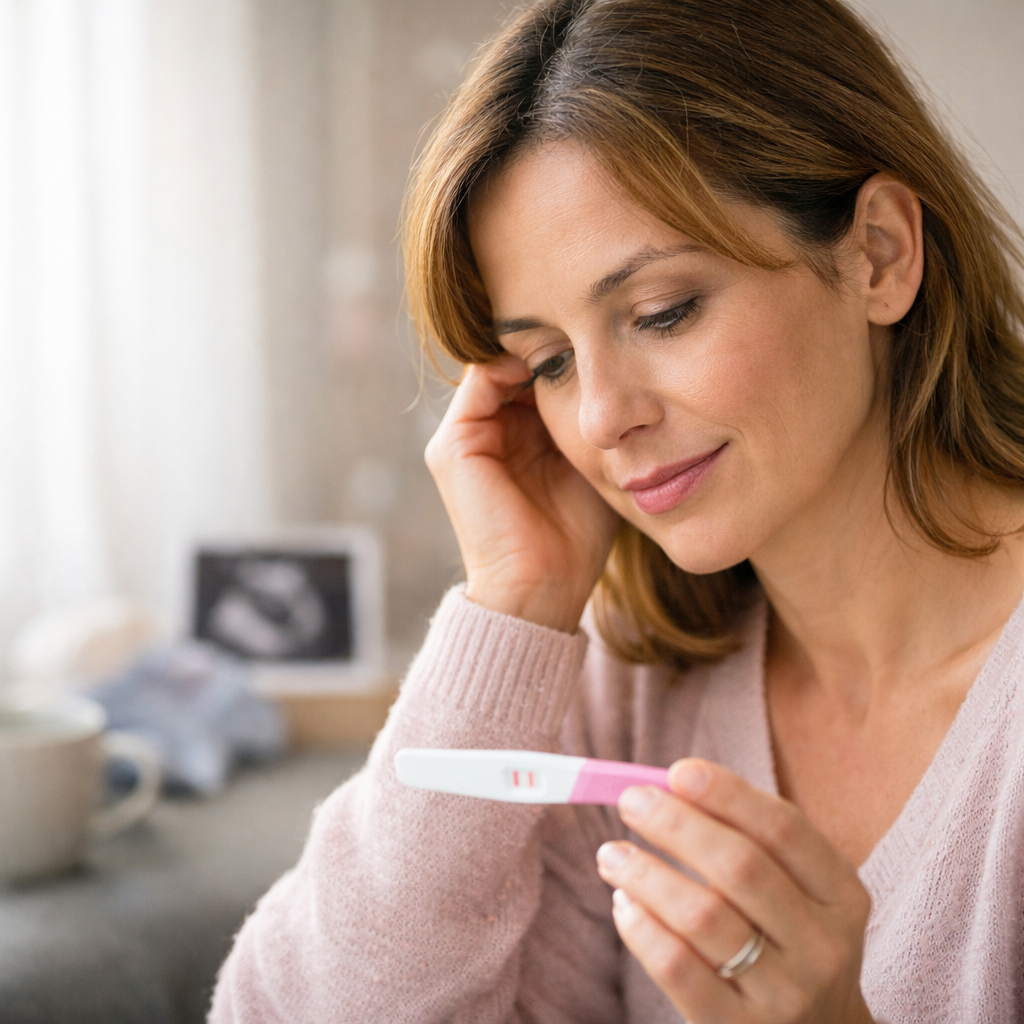
Finding out you’re pregnant after 35 can be deeply moving — and surprisingly complex. Alongside happiness or relief, many women notice waves of worry, uncertainty, or emotional sensitivity in the very early weeks. These reactions are common, and they don’t say anything negative about your readiness or gratitude.
Early pregnancy is a time of adjustment, both physically and emotionally. When age, previous experiences, or long periods of trying are part of the story, emotions can feel even more layered.
Understanding what may be happening emotionally can help reduce self-judgment and create space for compassion during this transition.
Why emotions can feel intense in early pregnancy
Early pregnancy brings rapid changes that happen largely out of sight. Hormonal shifts begin immediately, even before visible physical signs appear. At the same time, your mind may be processing new expectations, responsibilities, and uncertainties.
For many women over 35, this stage also carries added context — career considerations, family dynamics, past reproductive experiences, or awareness of medical terminology they may have heard before. All of this can amplify emotional responses.
Feeling emotionally reactive does not mean something is wrong. It often reflects how meaningful this moment is.
Common emotional experiences women report
Emotional patterns vary, but many women describe combinations of the following:
- Sudden mood changes without a clear trigger
- Heightened sensitivity to comments or situations
- Anxiety about the pregnancy progressing well
- Difficulty feeling fully relaxed or joyful at first
- A sense of emotional distance as a form of self-protection
- Feeling overwhelmed by planning too far ahead
Some women also notice moments of calm or gratitude appearing unexpectedly. Emotional states often fluctuate rather than follow a straight line.
Factors that may influence emotional responses
Several elements can shape how emotions are experienced in early pregnancy after 35:
Hormonal changes
Shifts in hormones can affect mood regulation, sleep, and emotional resilience. These changes are biological and can vary significantly from one person to another.
Life context
Work responsibilities, financial planning, or caring for other children may leave little mental space to process pregnancy emotions slowly.
Previous experiences
Past pregnancies, fertility journeys, losses, or long periods of uncertainty may influence how safe or cautious emotions feel now.
Information exposure
Access to large amounts of information online can sometimes increase worry rather than reassurance, especially when statistics are taken out of context.
Personality and coping style
Some people naturally process change internally, while others prefer external reassurance. Neither approach is right or wrong.
What generally helps during this phase
There is no single “correct” emotional response to early pregnancy. However, some general approaches may support emotional balance:
- Allowing emotions to exist without labeling them as good or bad
- Limiting overexposure to overwhelming or conflicting information
- Creating small moments of grounding in daily routines
- Talking with someone who listens without immediately advising
- Accepting that emotional clarity may take time
Often, emotional steadiness develops gradually as the pregnancy becomes more tangible and routines adjust.
When it may be worth seeking professional guidance
While emotional ups and downs are common, there are moments when additional support may be helpful, such as:
- Persistent anxiety that interferes with sleep or daily functioning
- Feelings of sadness or detachment that do not ease over time
- A sense of being emotionally overwhelmed most days
- Difficulty coping with uncertainty despite reassurance
Seeking guidance does not mean something is wrong. It can simply offer perspective and support during a period of change.
FAQ
Is it normal to feel anxious in early pregnancy after 35?
Yes. Many women report anxiety during early pregnancy, especially when age or past experiences are part of their story.
Why don’t I feel constant happiness even though I wanted this pregnancy?
Mixed emotions are common. Joy and worry can coexist, particularly during periods of uncertainty.
Do emotional changes mean something is wrong with the pregnancy?
Emotions alone are not indicators of pregnancy health. They often reflect internal adjustment rather than physical outcomes.
Can stress harm the pregnancy at this stage?
Everyday stress is part of life and varies from person to person. Occasional stress is generally considered common during pregnancy.
When do emotions usually stabilize?
For some women, emotional steadiness increases after the first trimester, though experiences can vary widely.
Should I talk about these feelings or keep them to myself?
Many women find relief in sharing feelings with someone they trust, but the choice is personal.
Final summary
- Early pregnancy after 35 often brings layered emotions
- Mood changes are influenced by hormones, life context, and past experiences
- Mixed feelings are common and do not reflect readiness or gratitude
- Emotional balance may develop gradually over time
- Support is available if emotions feel overwhelming
Internal link suggestions
- Pillar article: Pregnancy After 35: What Changes and What to Expect
- Related article: Early Pregnancy Symptoms After 35: What’s Common
- Related article: Managing Uncertainty While Pregnant After 35
Medical disclaimer
This content is for informational purposes only and does not replace professional medical advice. Individual experiences can vary, and a qualified health professional can help assess each situation individually.
Related Reading: Pregnancy After 35 | First Pregnancy After 35
Sources: Mayo Clinic – Female Fertility: Why Lifestyle Choices Count
The Emotional Complexity of a Pregnancy Waited For
For many women over 35, pregnancy arrives after months or years of trying â and sometimes after loss. This history shapes the emotional texture of the first trimester in ways that differ from earlier pregnancies. Joy and fear can coexist. Relief and protective worry arrive together. This is not contradictory; it is the emotional reality of caring deeply about something.
Research on perinatal mental health consistently shows that anxiety in early pregnancy is common across all ages, but women who conceive after 35 â especially those who used fertility assistance or experienced previous losses â often carry additional emotional weight. Acknowledging this rather than dismissing it is an important part of prenatal care.
4 comentários em “Emotions in Early Pregnancy After 35”
Os comentários estão encerrado.