\n Arquivo de Pregnancy After 35 - Página 2 de 3 - herincycles.com

Restless Legs During Pregnancy After 35: What the Research Shows

Restless legs syndrome (RLS) during pregnancy is more common than many women realise. Characterised by an uncomfortable, often irresistible urge to move the legs — typically worsening at rest and in the evening — RLS can significantly disrupt sleep during pregnancy, compounding the fatigue that many pregnant women already manage. For women pregnant after 35, … Ler mais

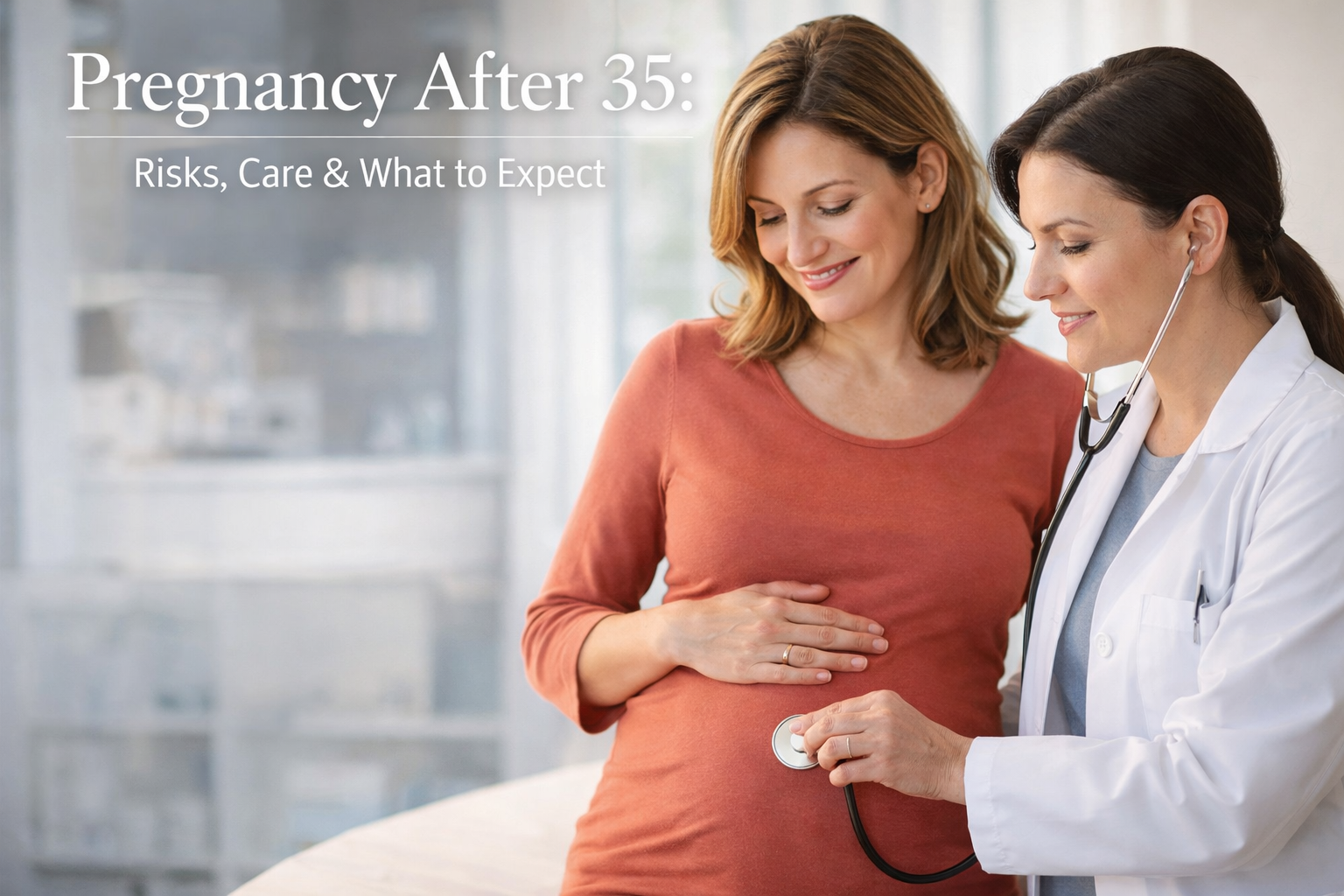
Pregnancy After 35: Risks, Care, and What to Expect

pregnancy-after-35-risks-care-what-to-expect

Pregnancy after 35 is sometimes referred to in clinical settings as “advanced maternal age” — a term that can feel jarring and reductive, especially for women who are healthy, well-prepared, and simply came to motherhood later in life. The medical designation exists because age is a relevant factor in pregnancy care and risk assessment. But … Ler mais

Mental Health During Pregnancy After 35: Navigating Anxiety and Emotional Changes

Mental Health During Pregnancy After 35: Navigating Anxiety and Emotional Changes

Mental health during pregnancy receives far less attention than physical health, yet the two are deeply interconnected. Research indicates that anxiety and depression during pregnancy are among the most common perinatal complications — affecting a significant proportion of pregnant women at all ages, including those who planned carefully, conceived after fertility treatment, and had every … Ler mais

How Pregnancy Affects Sleep After 35: What to Expect

How Pregnancy Affects Sleep After 35: What to Expect

Anxiety and stress profoundly affect sleep, and for women over 35, this relationship becomes increasingly important. Research indicates that the stress of fertility challenges, life circumstances, and the physiological stress response all interfere with sleep. Understanding how anxiety and stress affect sleep—and strategies for addressing both—helps you improve sleep quality. How Stress Activates the Nervous … Ler mais

Third Trimester After 35: What Many Women Experience

Third Trimester After 35: What Many Women Experience

The third trimester—weeks 28 through delivery—brings pregnancy into its final phase. Your baby is growing rapidly, your body is preparing for labor, and you’re likely thinking concretely about labor, delivery, and becoming a parent. For women over 35, the third trimester includes specific monitoring and considerations that reflect age-related factors and ensure the healthiest possible … Ler mais

Prenatal Testing After 35: What Your Healthcare Provider May Recommend

Prenatal Testing After 35: What Your Healthcare Provider May Recommend

Prenatal testing options expand significantly for women over 35, as age-related risks increase the value of knowing about potential fetal abnormalities early. Understanding what tests are available, what they measure, and what results mean helps you make informed decisions about which tests align with your values and preferences. Screening Tests Versus Diagnostic Tests Research indicates … Ler mais

Second Trimester After 35: Physical and Emotional Changes Many Women Notice

Second Trimester After 35: Physical and Emotional Changes Many Women Notice

The second trimester—weeks 13 through 27—often feels like the “honeymoon period” of pregnancy. For many women, morning sickness fades, energy returns, and the physical reality of pregnancy becomes more apparent. For women over 35, the second trimester may bring particular relief as many age-related early pregnancy risks have largely passed. Understanding what to expect during … Ler mais

Gestational Diabetes After 35: What Women Should Know

Gestational Diabetes After 35: What Women Should Know

Gestational diabetes develops during pregnancy and affects how your body processes glucose. Research indicates that gestational diabetes is more common in women over 35, making understanding symptoms and management especially relevant. While gestational diabetes requires active management during pregnancy, evidence indicates that most women manage the condition successfully and deliver healthy babies. Why Gestational Diabetes … Ler mais