
Introduction
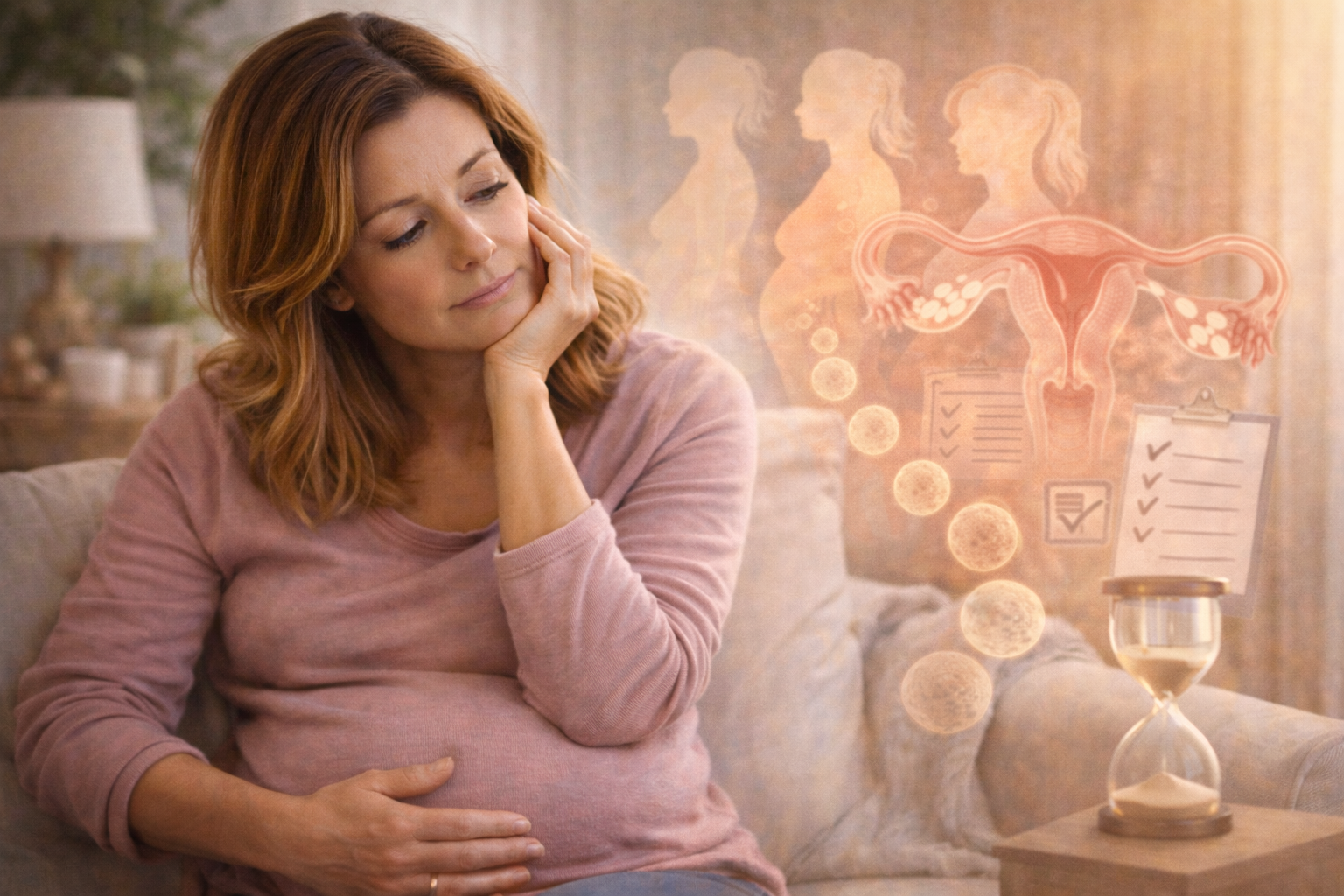
A first pregnancy after 35 often arrives with layered emotions. On one hand, there may be joy, gratitude, and excitement. On the other hand, uncertainty, reflection, and many questions tend to surface as well. For many women, this stage of life brings emotional maturity, stability, and self-awareness. At the same time, it often creates a stronger need for information that feels clear, supportive, and non-alarmist.
Over time, becoming pregnant for the first time after 35 has become increasingly common. Life paths have shifted, priorities have evolved, and many women reach this moment feeling more grounded than they might have earlier in life. Because of that, understanding what this experience may involve can help reduce unnecessary comparisons and allow each woman to move through pregnancy in a way that feels more personal and calm.
What It Means to Have a First Pregnancy After 35
A first pregnancy after 35 refers to becoming pregnant for the first time during a later stage of reproductive life. This timing may reflect personal choices, professional paths, relationships, or simply individual life rhythms.
From a physical perspective, the body may respond to pregnancy differently than it would at earlier ages. However, these differences are usually gradual and vary widely. Importantly, many women experience healthy, positive pregnancies during this stage.
In other words, age alone does not define the experience. Emotional readiness, access to information, support systems, and personal expectations all shape how a first pregnancy after 35 is lived.
Why This First Pregnancy Often Feels Different
For many women, a first pregnancy after 35 carries a unique emotional weight. Because it is the first, everything feels new. At the same time, because it happens later in life, it may feel especially meaningful.
As a result, women often describe a heightened sense of responsibility. There may be a stronger desire to understand every change, do things “the right way,” and feel prepared. While this awareness can be empowering, it can also create pressure.
Still, it is important to remember that intensity does not equal difficulty. Often, it reflects care, intention, and the significance of this moment.
Increased Awareness of the Body
During a first pregnancy after 35, many women notice that they pay closer attention to their bodies. Physical sensations that might have gone unnoticed before can feel more present.
Because this is a first pregnancy, the body’s signals are unfamiliar. At the same time, greater life experience may lead to more reflection and interpretation. As a result, some sensations feel more meaningful than they might otherwise.
However, increased awareness does not mean something is wrong. In many cases, it simply reflects attentiveness and curiosity. Learning to observe changes without immediately attaching concern often helps reduce anxiety.
Emotional Fluctuations and Inner Dialogue
Emotionally, fluctuations are common during any pregnancy. However, in a first pregnancy after 35, these shifts may feel more noticeable.
On one hand, there may be confidence and gratitude. On the other hand, moments of self-doubt or vulnerability may arise. Importantly, these emotions often coexist rather than replace one another.
Instead of signaling instability, this emotional range usually reflects the depth of the experience. Acknowledging these feelings — rather than trying to control them — often makes the journey feel lighter.
Comparisons and Expectations
At this stage, comparisons often appear. Women may compare themselves to friends who were pregnant earlier, to stories shared online, or to expectations they once held for themselves.
However, comparison rarely offers clarity. Every pregnancy unfolds within a specific physical, emotional, and social context. Therefore, age does not determine how someone “should” feel or what their experience should look like.
Letting go of rigid expectations allows space for a more authentic and grounded experience.
Factors That May Influence the Experience
Several factors may shape how a first pregnancy after 35 is experienced:
Biological age
Over time, the body may adapt differently to pregnancy. Still, this does not determine outcomes or overall experience.
Routine and professional life
Many women in this stage have established careers and responsibilities. As a result, balancing pregnancy with daily demands can influence energy levels and emotional well-being.
Sleep and rest
Changes in sleep may affect both physical comfort and emotional resilience.
Lifestyle context
Nutrition, activity level, and daily habits form part of each woman’s individual experience.
Emotional landscape
High expectations and self-pressure are common, especially in a first pregnancy later in life.
Together, these factors interact in unique ways for each woman.
Information: Support or Overload?
Information often plays a central role during a first pregnancy after 35. For many women, learning helps create a sense of safety and preparedness.
However, while clear and reliable information can be reassuring, excessive or conflicting content may increase anxiety. Because of this, choosing sources carefully becomes important.
When information is contextual, balanced, and compassionate, it tends to support calm rather than pressure.
What Often Helps During This Phase
Although there are no guarantees, many women find it helpful to:
- Seek trustworthy, non-alarmist information
- Respect personal limits and energy levels
- Reduce comparisons with other pregnancies
- Talk openly about fears and expectations
- Build a support network that feels safe
While these approaches do not promise a perfect experience, they often make the journey feel more supported and grounded.
The Role of Support
Support during a first pregnancy after 35 may look different than at earlier life stages. Emotional support, practical help, and professional guidance each play a role.
Feeling heard and understood often eases uncertainty. Even when challenges arise, support can make them feel more manageable.
Importantly, support does not remove responsibility — it helps share it.
When Professional Guidance May Be Helpful
In some situations, professional guidance may feel reassuring. For example, when:
- Questions arise frequently
- Bodily changes feel confusing or concerning
- Anxiety begins to affect daily life
- Closer follow-up feels supportive
Seeking guidance is not a sign of difficulty. Rather, it is often a way to gain clarity and peace of mind.
FAQ
Is a first pregnancy after 35 uncommon?
No. More women are becoming pregnant for the first time after 35.
Is it necessarily more difficult?
Not necessarily. Experiences vary widely.
Is it normal to feel more insecure?
Yes. Especially during a first pregnancy.
Does age influence emotional experience?
It can, particularly because of life stage and responsibilities.
Can women over 35 have healthy pregnancies?
Yes. Many do.
Does information help reduce anxiety?
Often, yes — when it is clear and reliable.
Final Summary
- First pregnancies after 35 are increasingly common
- Emotional intensity is a natural part of this experience
- Each pregnancy follows its own rhythm
- Routine, lifestyle, and emotional context influence the journey
- Information and support help bring calm and confidence
Optimized Internal Links
- Pillar: Trying to conceive after 35: what to observe
- Related: Age and female fertility: what changes over time
- Related: Why getting pregnant after 35 may take longer
Medical Disclaimer
This content is for informational purposes only and does not replace guidance from healthcare professionals. Each person may respond differently, and a qualified professional can help evaluate individual situations.
Related Reading: Pregnancy After 35 | Emotions in Early Pregnancy
Sources: Mayo Clinic – Female Fertility: Why Lifestyle Choices Count
Research Context and Professional Guidance
According to the American College of Obstetricians and Gynecologists, evidence around pregnancy and reproductive health after 35 underscores the importance of individual variation — population-level findings provide useful context without predicting any one person’s experience. The research in this area continues to evolve, and evidence-based guidance from a qualified healthcare provider remains the most reliable resource for personal health decisions.
For women navigating these transitions, consulting a healthcare provider familiar with midlife women’s health — whether a general practitioner, OB/GYN, or relevant specialist — can help ensure that individual factors are appropriately assessed. If symptoms or concerns are affecting daily functioning or quality of life, that is a reasonable threshold for seeking professional input rather than managing alone.
1 comentário em “First Pregnancy After 35: What Many Women Experience”
Os comentários estão encerrado.